Is Building a New Home Better Than Buying? Key Factors to Consider
Deciding whether to build a new home or purchase an existing property is one of the most significant choices a homeowner can make. This decision impacts not only financial investment but also lifestyle, comfort, and long-term satisfaction. In today’s dynamic real estate market, buyers face an abundance of options, from move-in-ready homes in established neighborhoods to custom-built properties designed from the ground up. Each path carries distinct advantages and challenges, and understanding these factors is critical to making an informed choice.
Building a new home offers the promise of customization, energy efficiency, and modern amenities, while buying an existing home often provides convenience, location benefits, and potentially lower upfront costs. However, the decision is rarely straightforward. It requires careful evaluation of personal priorities, financial considerations, and long-term goals. In this blog, we will explore the key factors to consider when weighing building a new home versus buying an existing property. By examining costs, timelines, lifestyle preferences, and market conditions, this guide will help prospective homeowners make a decision that aligns with their vision and investment strategy.
1. Cost Considerations: Budgeting for Your Dream Home
Understanding Initial Costs
One of the first factors to consider is the financial aspect of both building and buying. New construction often involves costs for land acquisition, permits, architectural plans, and construction materials. These expenses can fluctuate based on location, design complexity, and current material prices. Additionally, unforeseen costs such as soil testing, utility connections, or landscaping can increase the budget. Buyers must plan for contingencies of around 10-20% of the total construction cost to avoid financial strain.
In contrast, purchasing an existing home typically requires a down payment, closing costs, and potential renovations. Existing homes may have hidden maintenance costs, especially if the property is older or requires structural updates. While the upfront cost may appear lower than new construction, buyers should consider long-term maintenance and repair expenses that could accumulate over the years.
Financing Options
Financing a new build differs from buying an existing home. Construction loans are often short-term, with funds released in phases as construction progresses. Buyers then transition to a mortgage once the home is complete. While this provides flexibility, it can be more complex than a standard mortgage for an existing home, requiring careful planning and coordination with lenders. Existing homes, on the other hand, benefit from more straightforward mortgage processes, often with competitive interest rates and established lending programs.
2. Personalization and Design Flexibility
Tailoring Your Home to Your Needs
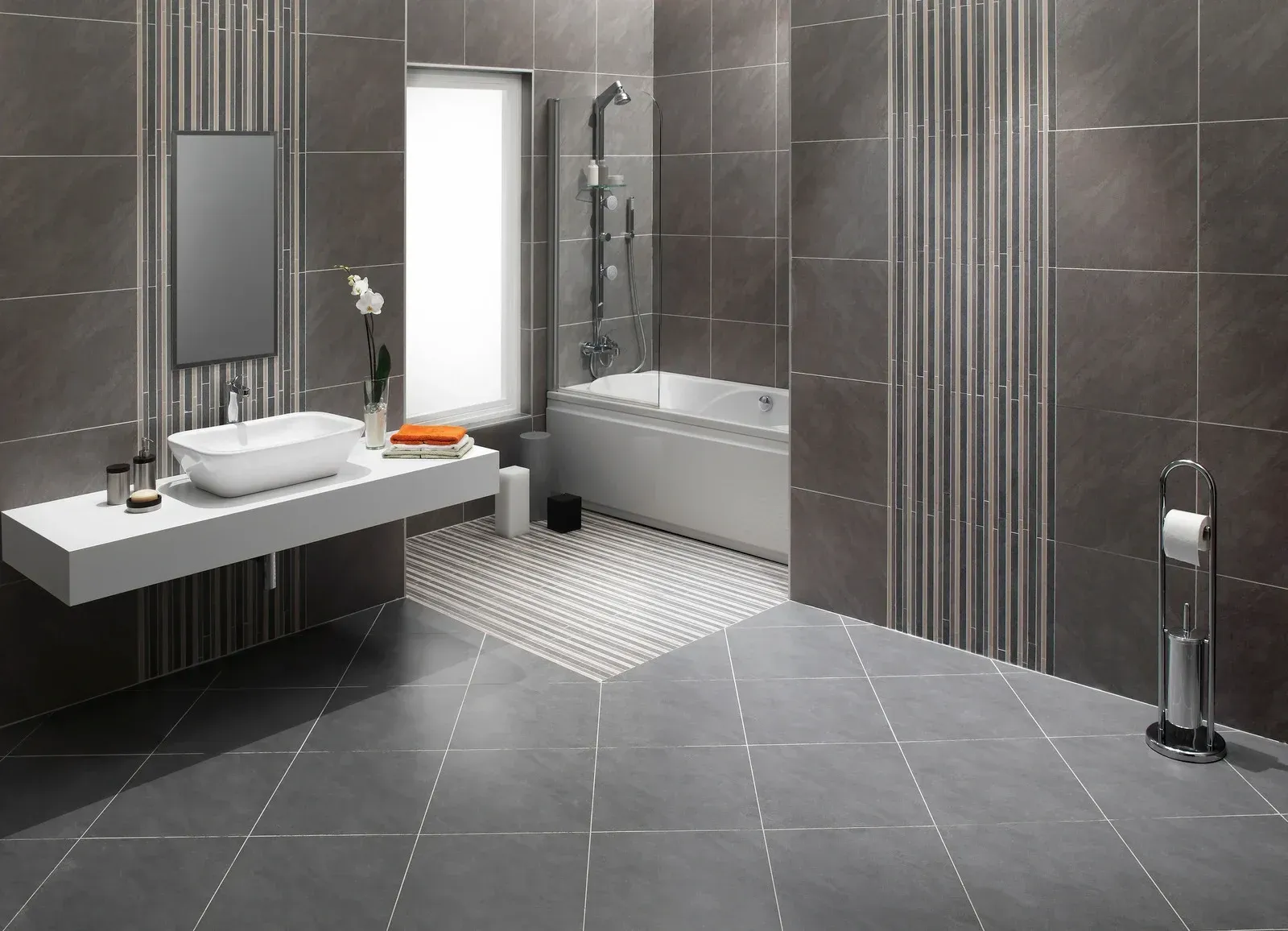
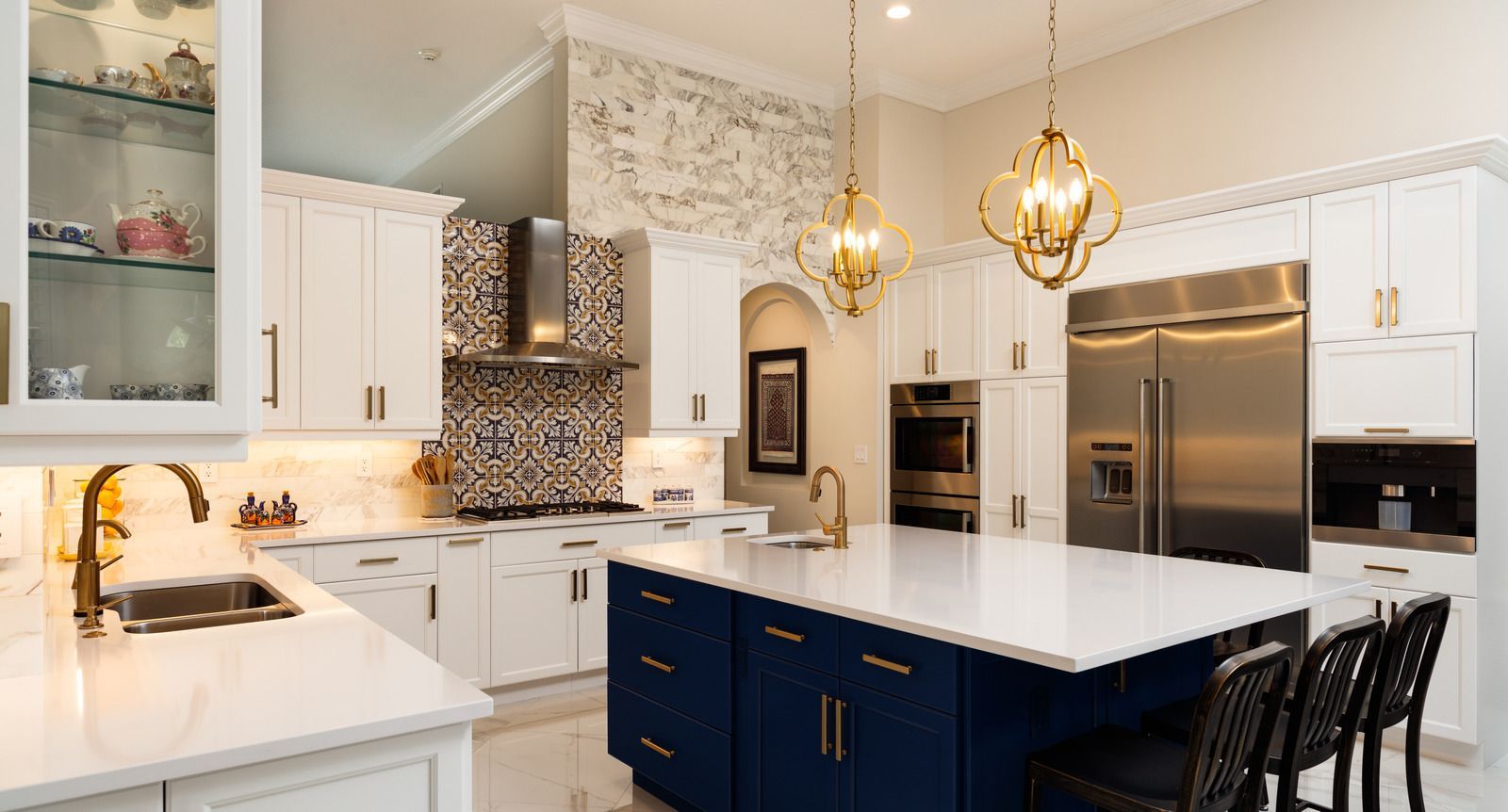
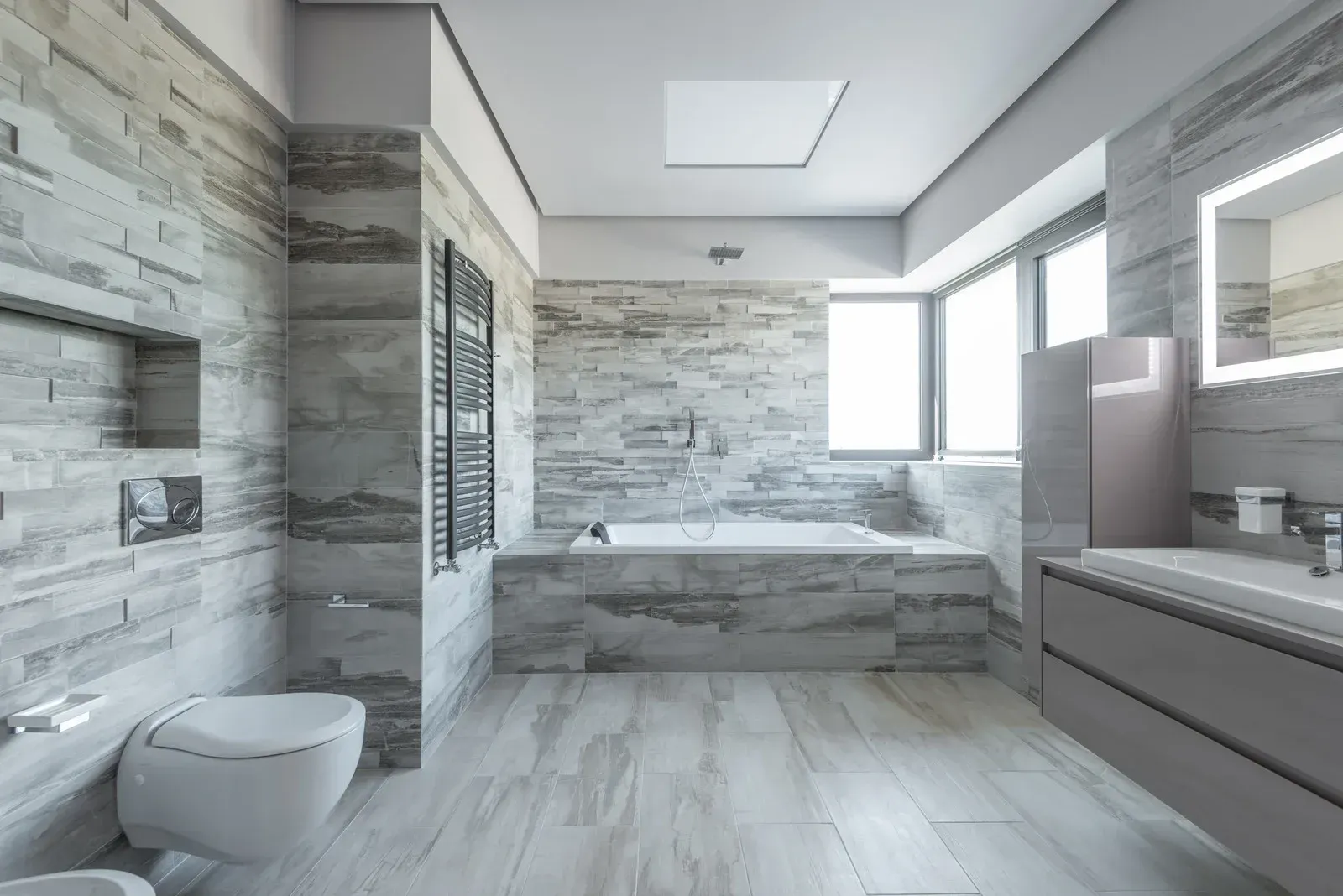
One of the primary advantages of building a new home is the ability to customize every detail. From floor plans and room layouts to finishes and fixtures, homeowners can create a space that aligns perfectly with their lifestyle. For families with specific needs, such as home offices, accessibility features, or multi-generational living, custom design offers unmatched flexibility.
Buying an existing home often limits customization. While renovations can adapt spaces, structural constraints, neighborhood covenants, and budget limitations may restrict the extent of personalization. Homebuyers seeking a unique, highly functional layout may find building a new home the more satisfying option.
Incorporating Modern Trends and Technology
New constructions allow for the integration of modern technology and design trends from the outset. Smart home systems, energy-efficient appliances, and sustainable building materials can be seamlessly incorporated, reducing future retrofitting costs. In contrast, existing homes may require significant upgrades to match current standards, which can be costly and time-consuming.
3. Location and Community Considerations
Choosing the Ideal Location
Location is a critical factor when deciding to build or buy. Existing homes are often situated in well-established neighborhoods with developed infrastructure, schools, parks, and amenities. This can provide immediate convenience, community familiarity, and potentially stable property values.
Building a new home allows for flexibility in selecting land but may come with trade-offs. Developing areas may lack nearby services or community features, requiring longer commutes or additional investments in infrastructure. Prospective homeowners must evaluate how location aligns with work, family, and lifestyle priorities.
Assessing Long-Term Growth Potential
New builds in developing areas may offer significant appreciation potential if the region grows and infrastructure improves. Conversely, buying in a mature neighborhood may provide more predictable property values but limited opportunities for dramatic appreciation. Understanding local real estate trends and future development plans is essential for making an informed decision.
4. Timeframes and Convenience
Building a New Home: Patience Required
Constructing a new home is a time-intensive process. From purchasing land to final inspections, the timeline can range from several months to over a year. Delays due to weather, supply chain issues, or contractor schedules can extend the process. Homeowners must be prepared for active involvement, decision-making, and potential stress throughout construction.
Buying an Existing Home: Immediate Move-In
Purchasing a pre-built home offers convenience and speed. Once financing and inspections are complete, buyers can typically move in within weeks. This option is ideal for individuals or families needing immediate housing solutions or seeking to avoid the prolonged planning and construction process associated with new builds.
Balancing Lifestyle Needs
The decision between building and buying often hinges on lifestyle priorities. Those who value immediate occupancy and minimal hassle may prefer buying, while those prioritizing customization and long-term investment may accept the extended timeline of new construction.
5. Maintenance, Warranty, and Energy Efficiency
Reduced Maintenance with New Construction
New homes generally require less maintenance in the initial years. Modern building codes, quality materials, and professional construction reduce the likelihood of repairs. Many builders also offer warranties covering structural elements, systems, and appliances, providing peace of mind and financial protection.
Existing homes, especially older properties, may present ongoing maintenance challenges. Roof replacements, plumbing issues, outdated electrical systems, and wear-and-tear can result in unexpected expenses. Buyers should consider the age of key components and potential renovation costs when evaluating existing homes.
Energy Efficiency and Long-Term Savings
Energy-efficient construction is a hallmark of new builds. Improved insulation, high-performance windows, and energy-saving systems can reduce utility bills and environmental impact. Retrofitting an existing home for energy efficiency is possible but can be costly and may not achieve the same level of performance as a new build.
6. Resale Value and Investment Potential
Building Equity in a New Home
New homes can offer strong resale value, particularly when designed with market trends in mind. Modern layouts, updated systems, and appealing finishes attract buyers and can command premium pricing. However, over-customization for personal taste may limit appeal to future buyers, so balance is essential.
Established Market Advantages
Existing homes in established neighborhoods often benefit from predictable property values and stable demand. Proximity to schools, amenities, and employment centers can make resale easier, particularly in sought-after areas. Buyers must weigh the potential for appreciation against the initial investment required for renovations or updates.
7. Emotional and Lifestyle Considerations
The Satisfaction of a Custom Home
Building a home can be a deeply fulfilling experience. Homeowners witness their vision come to life, with each decision reflecting their personality and lifestyle. For many, the emotional reward of creating a home tailored to their needs outweighs the challenges of construction and time investment.
Comfort and Stability of Existing Homes
Buying an existing home can provide immediate comfort and a sense of stability. Families can settle into established communities, enjoying familiar surroundings and mature landscaping. For individuals seeking simplicity and convenience, purchasing an existing property may offer a more balanced approach to homeownership.
Reliable Professionals Ensuring Quality from Start to Finish
Choosing between building a new home and buying an existing property involves a careful evaluation of costs, timelines, lifestyle needs, and long-term investment goals. New construction offers customization, modern amenities, energy efficiency, and lower maintenance in the early years, appealing to buyers with a clear vision for their dream home. In contrast, purchasing an existing home provides convenience, immediate occupancy, and access to established neighborhoods, often making it an attractive option for families and individuals prioritizing speed and stability.
Ultimately, the best decision depends on individual priorities, financial capacity, and willingness to engage in the homebuilding process. Considering all factors—location, design flexibility, maintenance, and potential resale value—ensures a choice aligned with both current needs and future goals. By carefully weighing these considerations, homeowners can make a confident, informed decision that sets the foundation for lasting satisfaction and investment growth.
Lifestyle Building and Renovation, based in Waterford Twp, Michigan, brings over 47
years of experience in residential construction and renovation. Our team specializes in guiding homeowners through every stage of the building process, from initial design to final walkthrough, ensuring quality craftsmanship and attention to detail. We understand the nuances of the local market, the importance of energy-efficient design, and the value of creating a home that reflects each client’s unique vision. Whether building a new custom home or considering remodeling options, Lifestyle Building and Renovation
combines decades of expertise with personalized service to deliver exceptional results. Trust us to make your homeownership journey seamless, satisfying, and tailored to your lifestyle, ensuring that your investment not only meets but exceeds your expectations.